Safety checklist for private charter
Safety checklist for private charter
Safety is the ultimate "hidden cost" in the aviation business. In the high-altitude environment of the Annapurna Range and Everest region, a private charter isn't just a flight; it’s a high-stakes operational maneuver.
As of 2026, the Civil Aviation Authority of Nepal (CAAN) has tightened regulations, specifically concerning weight limits and weather windows. Here is your professional safety checklist for a private helicopter charter.
1. Pre-Departure: The Logistics Audit
Before the rotors even turn, the business and safety foundations must be solid.
Operator Certification: Ensure the company holds a valid Air Operator Certificate (AOC). Check if their pilots have specific "Hill Flying" certifications with 4,000+ flight hours.
The Weight & Balance Equation: High-altitude air is thin. You must provide an accurate weight for all passengers and baggage.
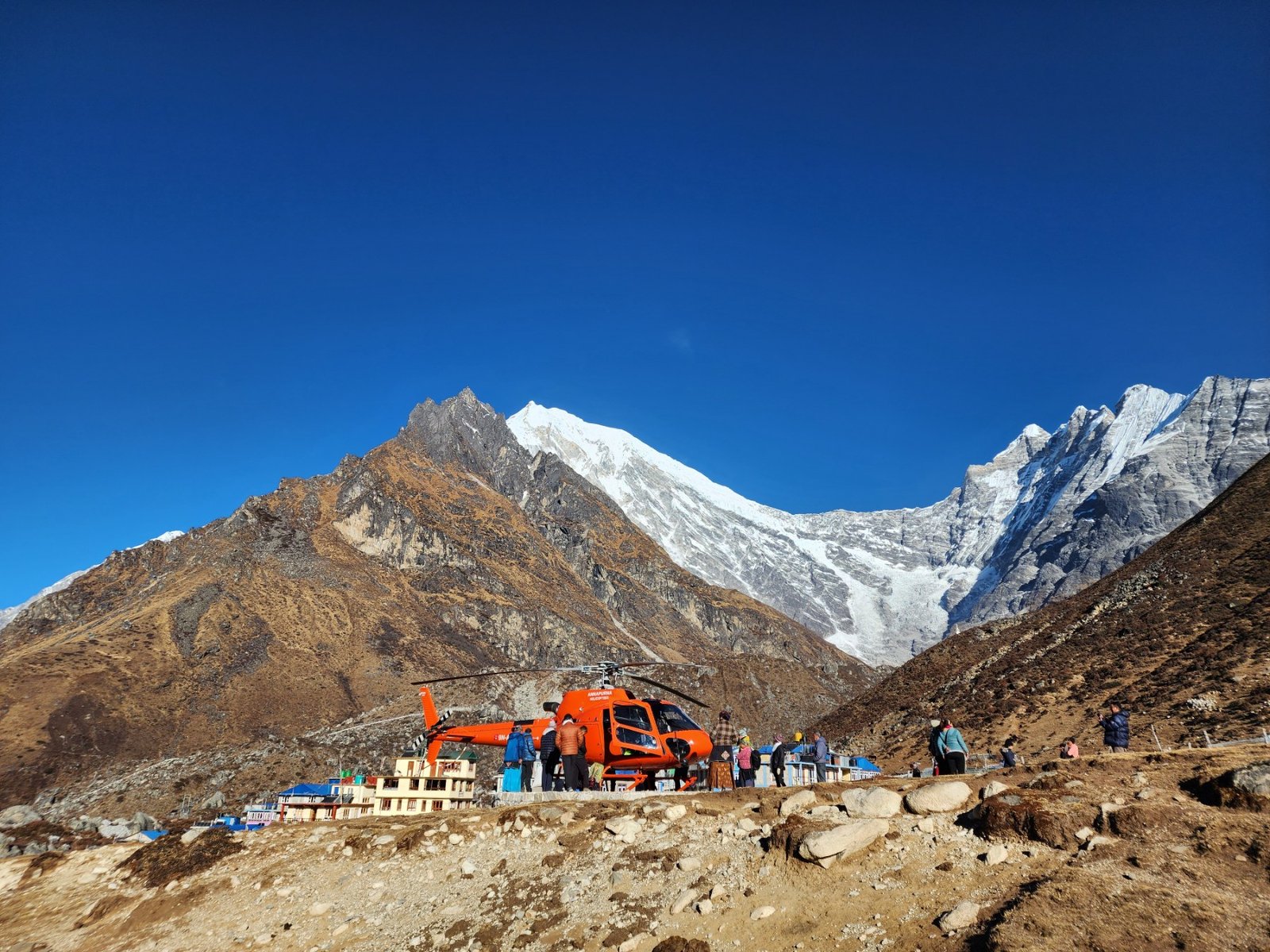
Business Note: Above 4,300 meters (e.g., Pheriche or ABC), a standard 5-passenger helicopter often has to "shuttle" passengers in groups of 2 or 3 to maintain a safe lift-to-weight ratio.
Insurance Verification: Confirm that your charter includes Emergency Medical Evacuation and third-party liability insurance that specifically covers high-altitude zones.
2. Personal Readiness: The "Himalayan Gear"
The temperature at Pokhara might be 20°C, but at Annapurna Base Camp, it can plummet to -10°C in minutes.
Layering: Wear windproof/waterproof outer layers and thermal base layers.
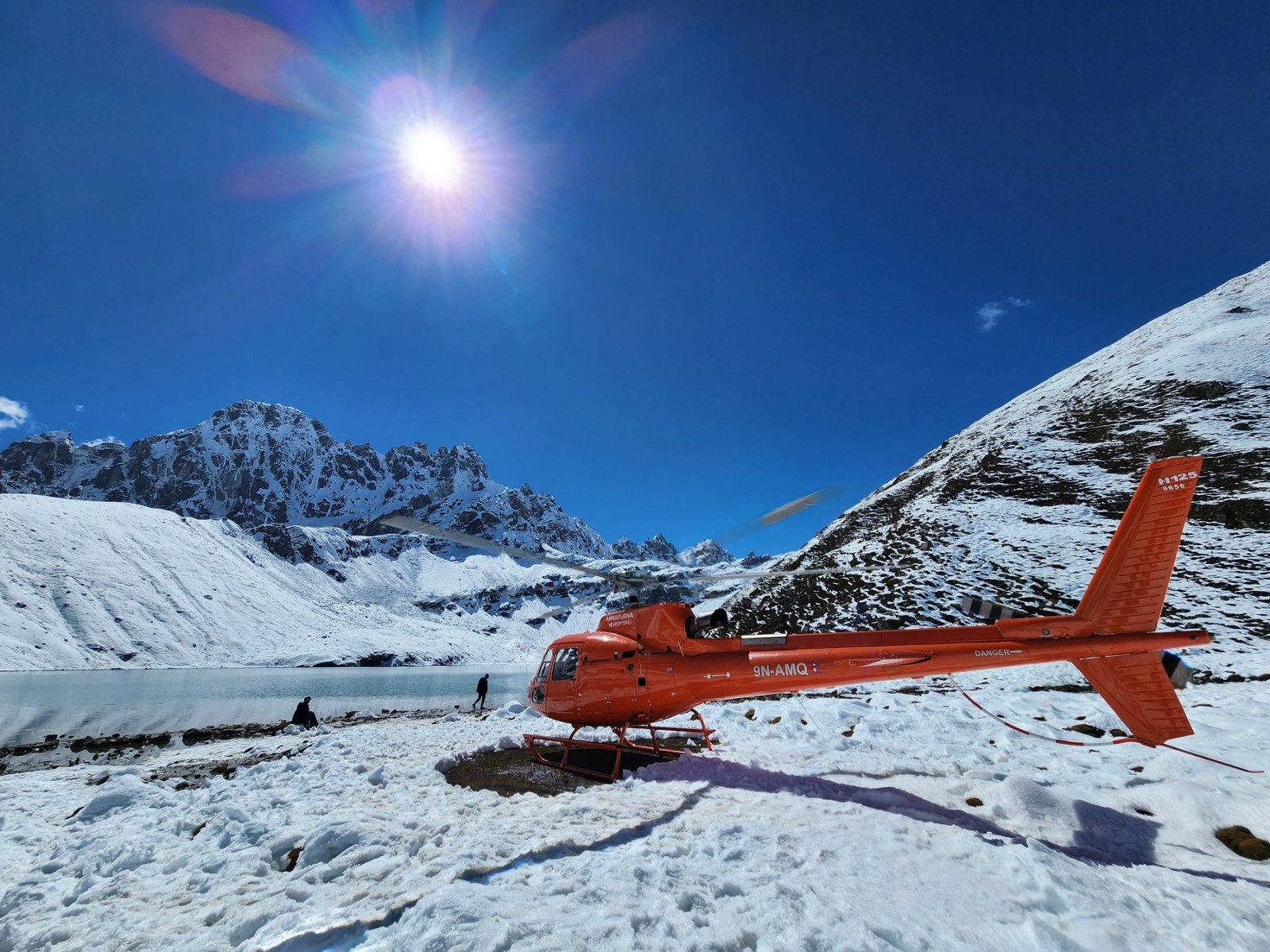
Footwear: Sturdy, closed-toe shoes (hiking boots are preferred) for uneven, icy landing pads.
Sun Protection: UV radiation increases significantly with altitude. High-SPF sunscreen and polarized sunglasses are non-negotiable to prevent snow blindness.
Prohibited Items: No loose scarves or hats that can be sucked into the air intake or rotors. No flammable liquids or large lithium batteries outside of personal devices.
3. The "Danger Zone" Protocol (On the Helipad)
The most dangerous part of a heli-tour isn't the flying—it's the boarding and de-boarding.
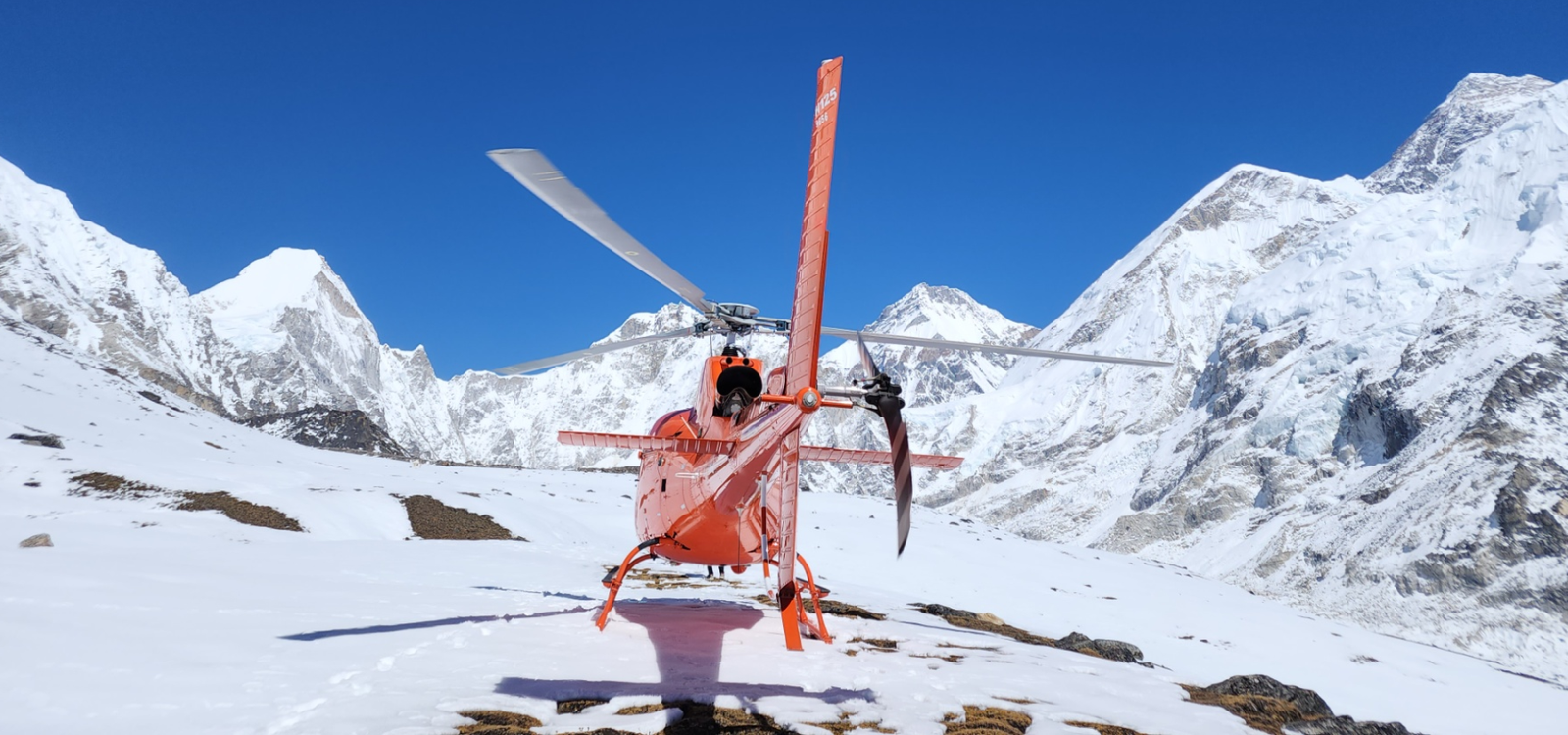
Approach Strategy: Always approach from the front or side (the 10 o'clock or 2 o'clock positions) so the pilot can see you. Never walk toward the tail.
The Crouch: Move in a low crouch to stay clear of the main rotor blades, which can dip due to wind gusts or "rotor flap."
The Downslope Rule: If landing on a mountain slope, always approach and exit from the downslope side to maximize your clearance from the blades.
Loose Items: Secure your phone and camera. If something blows away, let it go. Chasing a hat toward a tail rotor is a fatal mistake.
4. In-Flight & Landing Safety
Silent Cockpit: Avoid distracting the pilot during takeoff, landing, or high-maneuver phases. Use the provided headsets for essential communication.
Seatbelts: Stay buckled at all times. Sudden mountain turbulence is common.
AMS Awareness: Rapid ascent by helicopter increases the risk of Acute Mountain Sickness (AMS). Monitor yourself for dizziness or nausea.
Standard Op: Most charters limit ground time at high altitudes (above 4,000m) to 10–15 minutes to prevent altitude sickness and ensure the engine stays warm for a quick restart.
.jpg)