Into the Heart of the Giants: A Journey Through the Annapurna Range
.jpg)
Into the Heart of the Giants: A Journey Through the Annapurna Range
Moving from the spiritual to the operational, the Annapurna Range isn't just a trekker's paradise—it is one of the most demanding and lucrative aviation corridors in the world. For the helicopter industry, this region represents a high-stakes environment where technical precision meets a booming market for luxury and rescue.
The Vertical Economy: Helicopter Operations in the Annapurna Massif
Excerpt: In the high-altitude theater of the Himalayas, helicopters are more than transport; they are the lifelines of a multi-million dollar industry. From rapid-response medical evacuations to the growing trend of "Heli-Tourism," we delve into the business mechanics of operating at the edge of the sky.
The Business of Vertical Access
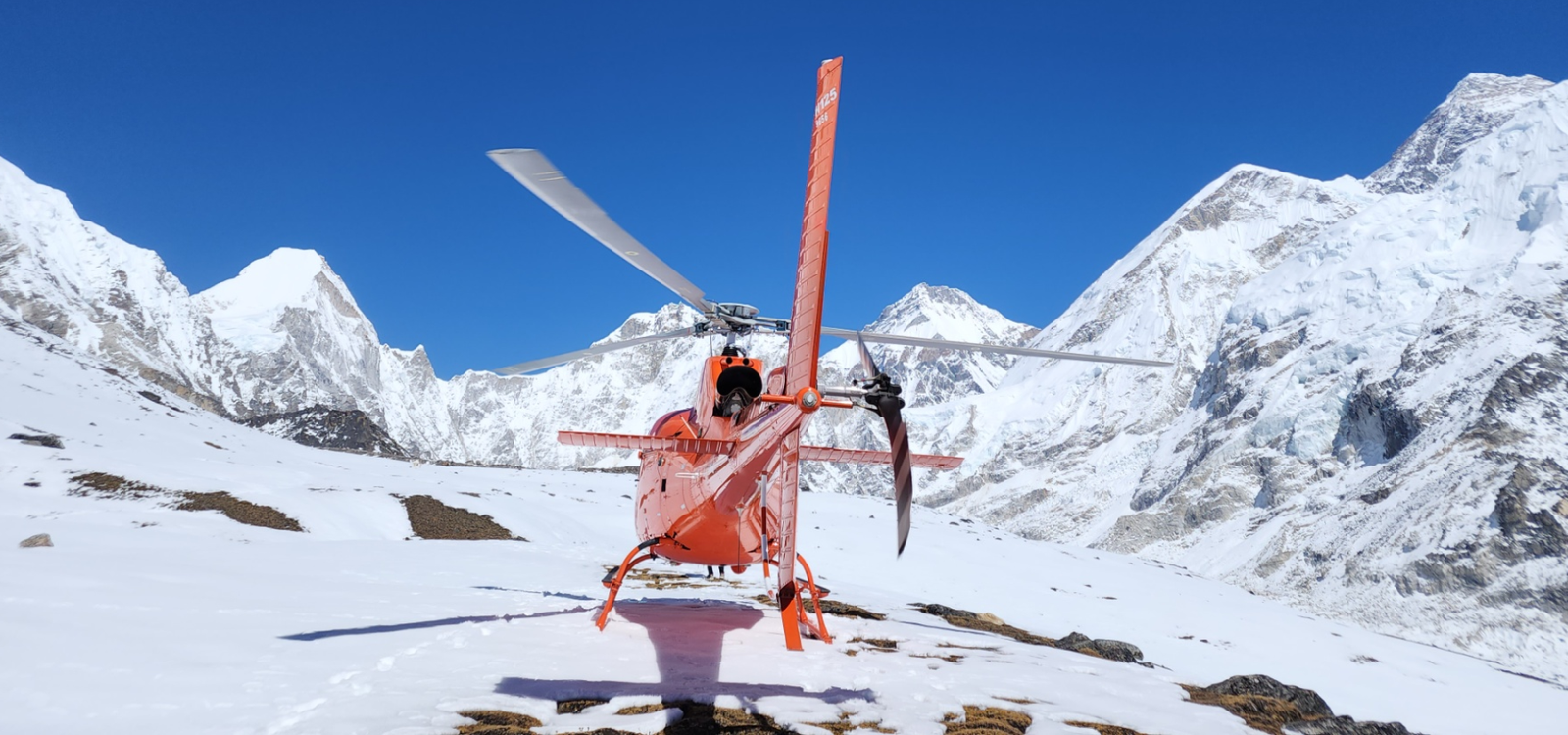
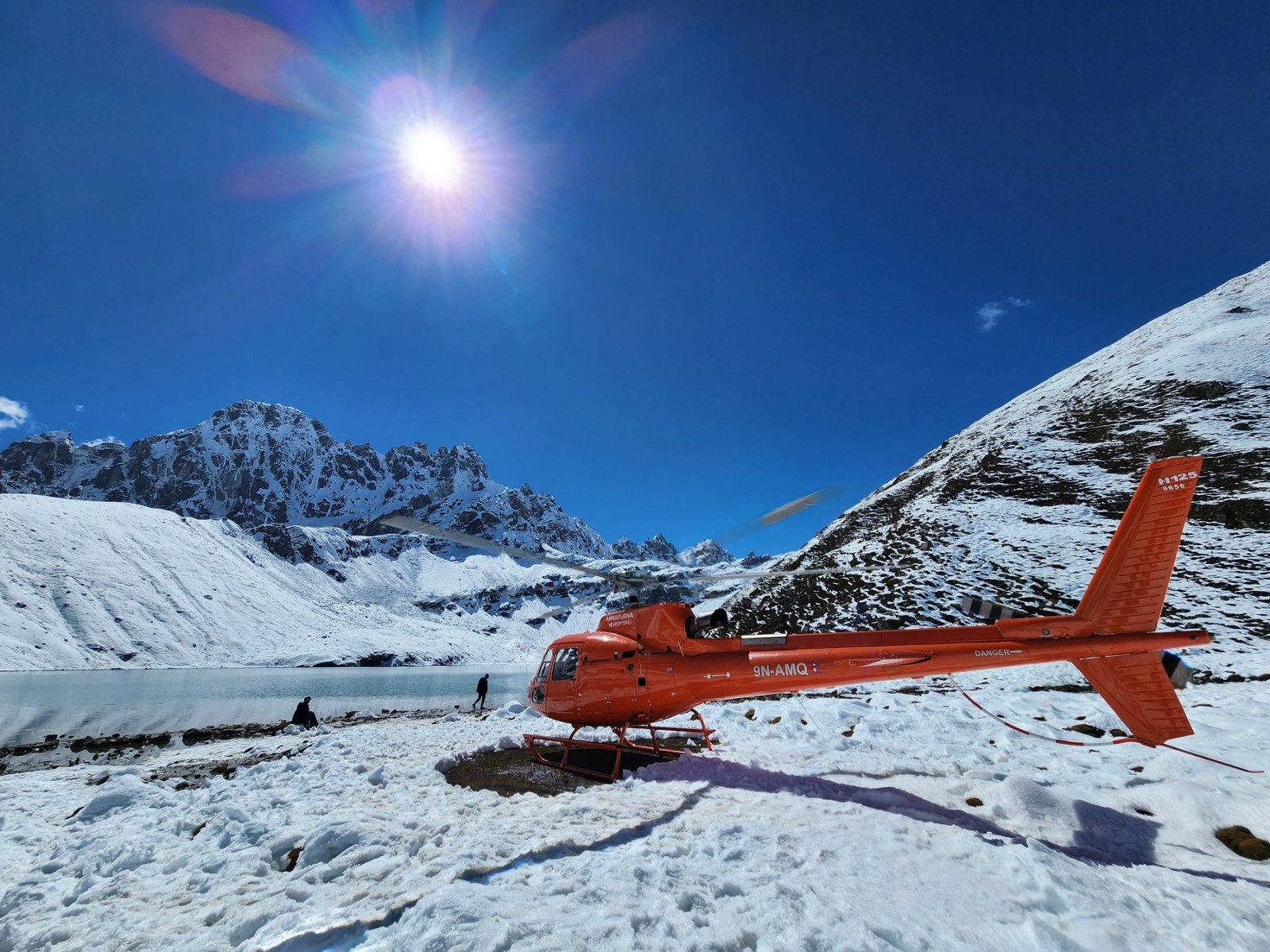
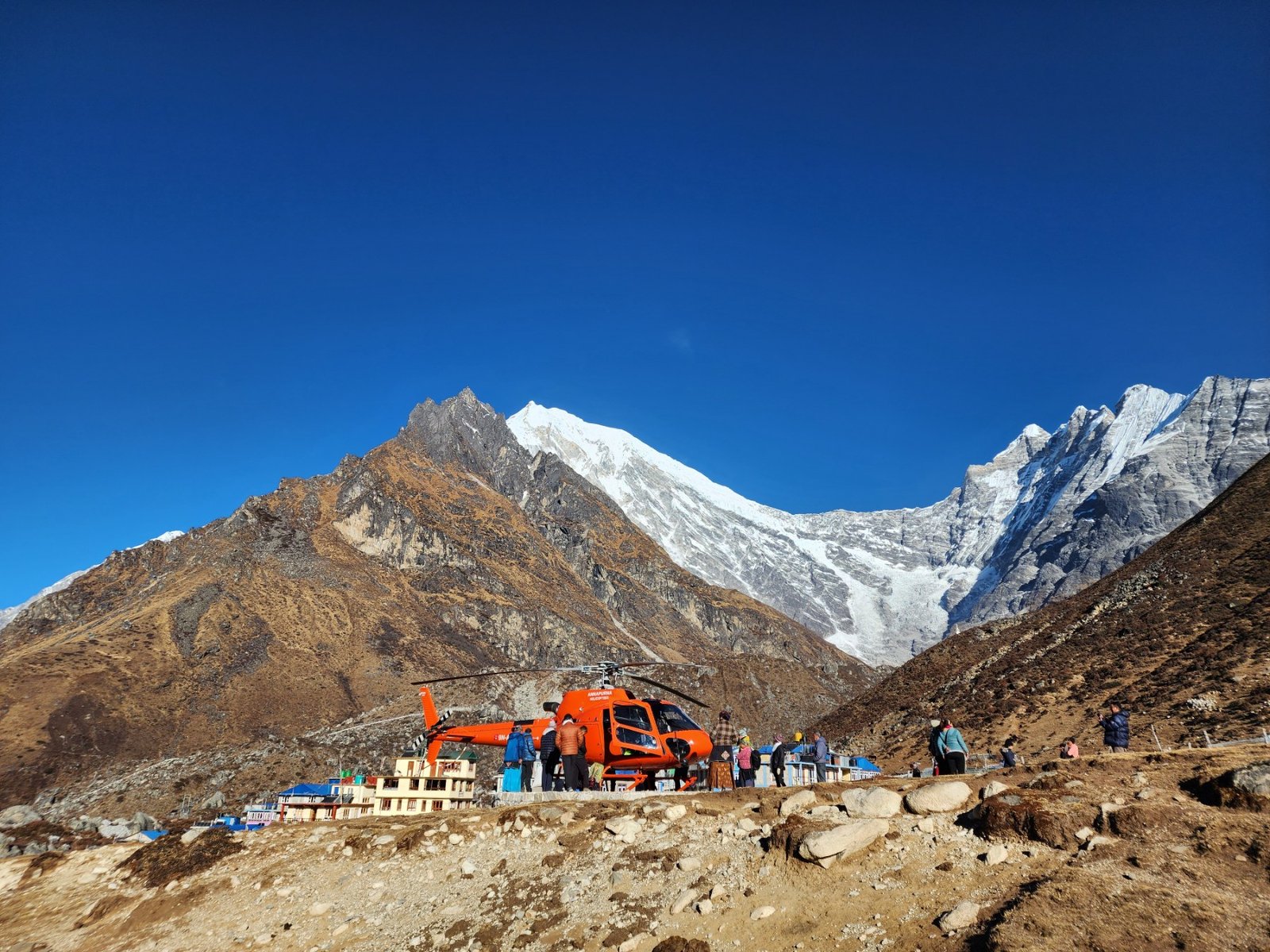
Operating in the Annapurna region is a masterclass in High-Altitude Logistics. While trekking takes weeks, a helicopter can bridge the gap from Pokhara to the Annapurna Base Camp (ABC) in under 20 minutes. This efficiency has birthed a specialized business model centered on three pillars:
Heli-Tourism & Luxury Charters: The "Breakfast at the Base Camp" packages are high-margin products. For travelers with more capital than time, these charters provide an elite vantage point of the Annapurna Massif that was once reserved for professional mountaineers.
Search and Rescue (SAR) Operations: Annapurna I is statistically one of the most dangerous 8,000m peaks. The demand for B3e Eurocopters (AS350) for long-line rescues is constant, turning emergency response into a critical revenue stream and a moral necessity.
Cargo and Supply Chain: In the upper reaches of Mustang and Manang, helicopters serve as heavy-lifters for infrastructure projects and remote lodge supplies, bypassing the slow-moving mule trains.
Navigating the "Dead Zone" Dynamics
From a business perspective, the "deepness" of the range refers to the complexity of the Aerodynamics at play.
Thin Air, Tight Margins: As altitude increases, air density decreases, significantly reducing the lift generated by the rotors. Pilots must manage Payload-to-Fuel ratios with extreme scrutiny. A flight to the Annapurna Sanctuary requires a delicate balance—too much fuel means you can't lift the passengers; too little means no safety margin for weather shifts.
The Micro-Climate Factor: The Annapurna range creates its own weather. Sudden katabatic winds and "white-out" conditions can ground a fleet in minutes, making operational uptime a volatile variable in the yearly P&L statement.
Strategic Infrastructure: The Pokhara Hub
The recent opening of the Pokhara International Airport has shifted the center of gravity for helicopter businesses. It serves as the primary Maintenance, Repair, and Overhaul (MRO) base, allowing for quicker turnaround times for sorties heading into the heart of the range.
The Future: Sustainability and Scaling
As the industry grows, the challenge lies in Fleet Modernization. The shift toward more fuel-efficient turbines and noise-reduction technology is becoming a competitive advantage, especially as environmental regulations in the Annapurna Conservation Area Project (ACAP) tighten.